
Hardwood vs LVP: Cost, Durability & Resale in NC
Choosing between hardwood vs LVP in North Carolina homes isn’t just about looks, it’s about lifestyle, climate, and long-term value. This guide breaks down cost, durability, moisture performance, and resale impact so homeowners can confidently choose the right flooring for every room.
Blog > Hardwood vs LVP: Cost, Durability & Resale in NC
Steps To Choosing The Right Hardwood or LVP
Before we get into the nitty-gritty, here’s how we’ll tackle this hardwood vs LVP decision for North Carolina homes:
- First: what each material really is (because “wood vinyl flooring” can mean a few things)
- Then: the three big drivers, cost, durability, and resale impact
- Next: North Carolina-specific realities (humidity, beach sand, red clay, basements, pets, lake life)
- Finally: room-by-room recommendations and a “quick decision” checklist you can use today
If you’re renovating in NC, you’re not just picking a floor, you’re picking how your home lives day-to-day and how it shows when it’s time to sell.
The quick truth: Hardwood vs LVP isn’t a “better vs worse” fight
A few years ago, “real wood” and “vinyl” lived in totally different worlds. Hardwood was the heirloom choice; vinyl was the budget compromise.
Now? Modern LVP looks shockingly good, and hardwood has more engineered options than ever. The smarter question in North Carolina is:
What’s the best floor for your rooms, lifestyle, and resale timeline, without overpaying?
That’s what we’ll solve.
Hardwood vs LVP basics (and what “wood vinyl flooring” actually means)
Hardwood (solid)
Solid hardwood is one piece of wood, typically ¾” thick. It can often be refinished multiple times, which is a huge reason it’s still the “classic” for long-term value.
Engineered hardwood (engineered hardwood vs LVP)
Engineered hardwood is a real wood top layer (veneer) over plywood layers. It’s built to be more dimensionally stable than solid wood, often a better fit for parts of NC where humidity swings are common.
LVP (Luxury Vinyl Plank)
LVP is a multi-layer vinyl plank with a printed design layer and a protective wear layer on top. The wear layer is commonly measured in mils, where 1 mil = one-thousandth of an inch. That wear layer helps protect against scuffs and scratches.
A quick translation: LVP is a quality flooring choice. It’s a purpose-built surface designed to take daily life like a champ, especially moisture.
Cost: what you pay now vs what you pay over time
Let’s talk about money the way real households do: upfront cost + long-term cost + “oops” costs (repairs, replacements, refinishing, water incidents).
Upfront: typical installed cost ranges
Costs vary by product tier, subfloor prep, stairs, and layout complexity, but common national ranges help set expectations:
- Hardwood installation often lands in a broad range between $6-$12* sq ft depending on wood species and install method.
- Vinyl plank installation – labor ranges between $3–$10* per sq ft for installing vinyl planks/tiles, depending on location and complexity.
*Prices can vary: Installation quotes will be provided for more accuracy. Factors like home condition, preparations needed and materials will be considered. For instance In metro areas like Raleigh, Charlotte, or Wilmington, older homes with uneven subfloors can add prep costs, especially in crawlspace homes where humidity and leveling issues show up.
Long-term: the “cost per year” idea
One of the most useful ways to compare hardwood vs LVP is to think in “cost per year,” not just “cost today.”
A life-cycle cost comparison published through the National Wood Flooring Association (NWFA) materials highlights how different flooring categories can pencil out when you account for useful life and total cost over time. nwfa.org
How that helps you: Even if hardwood costs more upfront, a floor that lasts decades (and can be refinished) can be financially competitive against a cheaper floor replaced sooner.
Durability: scratches, dents, water, and real life in NC
Here’s the part homeowners feel in their bones: durability isn’t one thing, it’s four.
1) Scratch and scuff resistance
- LVP durability is heavily influenced by the wear layer thickness and coating technology. Wear layers are measured in mils, and that top layer is a key performance shield against scratches and scuffs.
- Hardwood can scratch too, but it has a superpower: you can often screen and recoat or refinish when the wear shows.
Anecdote from the field (the “chair-leg test”):
If you’ve ever watched someone drag a dining chair without felt pads (it happens), LVP often “forgives” with a scuff that wipes or buffs, while hardwood might show a visible scratch depending on the finish and species.
On the flip side, hardwood can be renewed in a way LVP can’t, so the “winner” depends on whether you want damage resistance today or renewability later.
2) Dent resistance (the “dropped pan” moment)
- Hardwood varies by species (oak is more forgiving than softer woods).
- LVP varies by core type (rigid core options can be more dent resistant), but very heavy furniture can still leave impressions if protection isn’t used.
3) Water and moisture resistance (big in North Carolina)
This is where hardwood vs LVP becomes an NC-specific conversation.
LVP:
- Generally a safer choice for wet zones and “life happens” spaces (mudrooms, laundry, kitchens).
Hardwood / engineered hardwood:
- Can perform beautifully, but it’s sensitive to indoor climate swings. NWFA guidance commonly references keeping indoor relative humidity controlled, often in the 30%–50% range, to help wood floors perform their best.
Why that matters in NC:
- Summer humidity + HVAC patterns can create expansion/contraction cycles.
- Coastal areas add salt air and sand, which can act like sandpaper under shoes.
- Clay soil + crawlspaces can mean seasonal moisture changes from below.
4) Maintenance and repair reality
- Hardwood: spot repairs are tricky to blend perfectly, but refinishing resets the floor.
- LVP: damaged planks can often be replaced, but the floor can’t be refinished, when the wear layer is worn through, replacement is the path.
Resale and buyer perception in NC: what actually moves the needle
Let’s be honest: resale isn’t just ROI math, it’s buyer emotion.
Hardwood is still a “headline feature” for buyers
The National Association of REALTORS® (NAR) tracks how remodeling projects land emotionally and financially. In the 2025 Remodeling Impact Report, “New Wood Flooring” shows up with a very high Joy Score (homeowner satisfaction), sitting among top-scoring projects.
That matters because buyers feel that “warmth” too, especially in living areas and primary bedrooms.
But LVP is gaining respect (even in nicer homes)
Design and real estate conversations increasingly acknowledge LVP’s blend of realism and practicality, especially for busy households and moisture-prone spaces.
NC resale pattern you’ll see a lot:
- Hardwood (or engineered hardwood) in main living areas is often perceived as “premium.”
- LVP in kitchens, baths, laundry, basements, and mudrooms can be perceived as “smart.”
The best resale play is often a hybrid plan that looks cohesive.
Engineered hardwood vs LVP: the “sweet spot” for many NC homes
If you love the look and feel of real wood but worry about movement, engineered hardwood vs LVP is where many NC homeowners land.
Engineered hardwood gives you:
- real wood visuals and texture
- often better stability than solid hardwood
- strong “premium” perception
LVP gives you:
- water resistance confidence
- scratch/scuff practicality for pets and kids
- easier replacement of individual planks
A balanced NC strategy: engineered hardwood upstairs and in main living areas, LVP in the “splash zones.”
Room-by-room recommendations for North Carolina homes
Living room + dining room
Best bet: hardwood or engineered hardwood
This is where buyers expect warmth and authenticity. If you’re chasing “best hardwood floors” vibes for resale, these rooms are your stage.
Kitchen
Best bet: LVP (or a carefully chosen engineered hardwood with strong moisture discipline)
Kitchens are controlled chaos, water, ice, dog bowls, spilled sweet tea, and “just one more” pot dropped.
Mudroom + entry
Best bet: LVP
North Carolina entries deal with sand, clay, pollen, lake weekends, and rainy seasons. LVP handles that traffic with less anxiety.
Bathrooms + laundry
Best bet: LVP
Even a small leak can turn wood flooring into an unwanted science experiment.
Bedrooms
Best bet: engineered hardwood or hardwood (depending on subfloor and comfort goals)
Bedrooms are lower moisture risk and benefit from that calm, upscale feel.
Basements (where applicable)
Best bet: LVP
Basements (or below-grade spaces) are where moisture surprises live.
Counterarguments (because the “other side” has points)
“Hardwood always increases value more.”
Often true in perception, especially in main areas, but it’s not automatic. Poorly chosen species/finish, bad installation, or visible cupping can hurt appeal. Hardwood is an investment that needs correct prep and indoor climate awareness.
“LVP is basically the same look for less money, so hardwood is pointless.”
LVP has come a long way, and it’s an excellent value. But buyers who want “real wood” can still tell the difference in feel, acoustics, and authenticity, especially in higher-end homes and historic neighborhoods.
“Engineered hardwood solves everything.”
It helps with stability, yes, but it’s still wood on top. Water events can still cause damage, and veneer thickness determines whether refinishing is possible.
How to choose fast: a simple Hardwood vs LVP decision checklist
Choose hardwood / engineered hardwood when:
- resale appeal in main living areas is a priority
- you want the option to refinish (especially solid hardwood)
- you’re okay managing indoor humidity consistently
Choose LVP when:
- the space faces water risk or heavy daily mess
- you have pets/kids and want low-stress durability
- you want predictable maintenance and simpler plank replacement
- you’re prioritizing value and practicality without sacrificing style
Choose a mix when:
- you want premium feel where buyers notice most
- you want waterproof confidence where life gets messy
- you care about a cohesive “whole-home” design (same tone, similar plank width, consistent transitions)
Real-life NC example: the “weekend lake house” vs the “sell in 2 years” home
Scenario A: Lake Norman / Jordan Lake / coastal rentals
You’ll often win with LVP in most spaces, because wet feet, sand, and traffic are guaranteed. Put the budget into a thicker wear layer and great underlayment.
Scenario B: Raleigh / Cary / Charlotte “sell in 2 years” refresh
Engineered hardwood in the main living area plus LVP in wet zones can deliver that “wow” feeling buyers love without creating maintenance risk.
And if you’re staying long-term? Solid hardwood in the right rooms can be the “forever floor” you refinish instead of replace.
The best floor is the one that matches your life (and your timeline)
In North Carolina, hardwood vs LVP isn’t just style, it’s climate, lifestyle, and resale strategy.
Hardwood (and especially well-chosen engineered hardwood) can still be the gold standard for warmth and long-term desirability. Meanwhile, LVP has earned its place as the practical hero, especially in the parts of the home where water and wear are unavoidable.
Still not sure whether to choose Hardwood or LVP?
Our experts can help.
Find a USA Flooring location near you.
We can help you choose the right flooring for your project that you will feel confident about.
All our locations


Our Blog & Articles
-
 January 30, 2026
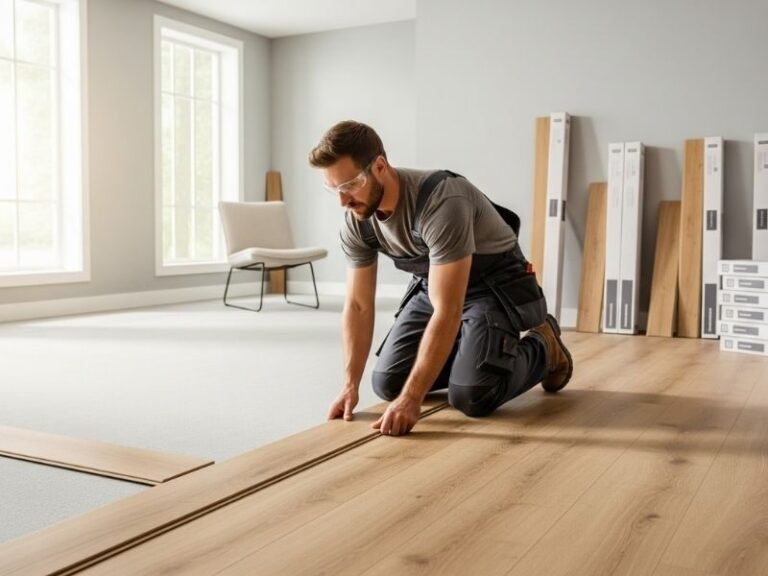
Last-Minute Quick Flooring Installation: Fast Options, Costs, and Pro Tips
Racing a deadline? Discover which flooring options install the fastest, how in-stock selections can save days, and why LVP continues to be the go-to solution for last-minute projects. Built for contractors and serious DIYers who need results—fast.
-
 November 24, 2025
The 2026 Flooring Trends for North Carolina Homes
-
 October 3, 2025
Creative Indoor Artificial Turf Ideas
-
 September 4, 2025
6 Creative Hardwood Flooring Ideas to Maximize Light in Your Home
-
 July 14, 2025
Top Bathroom Flooring Design Trends 2025